PAT Testing Cornwall — On-Site Service, Certificates Issued Same Day
If you need PAT testing done properly, without fuss, Cornwall Tech provides a professional on-site service across Cornwall. We test your appliances, explain what matters, and issue your report and certificate the same day.
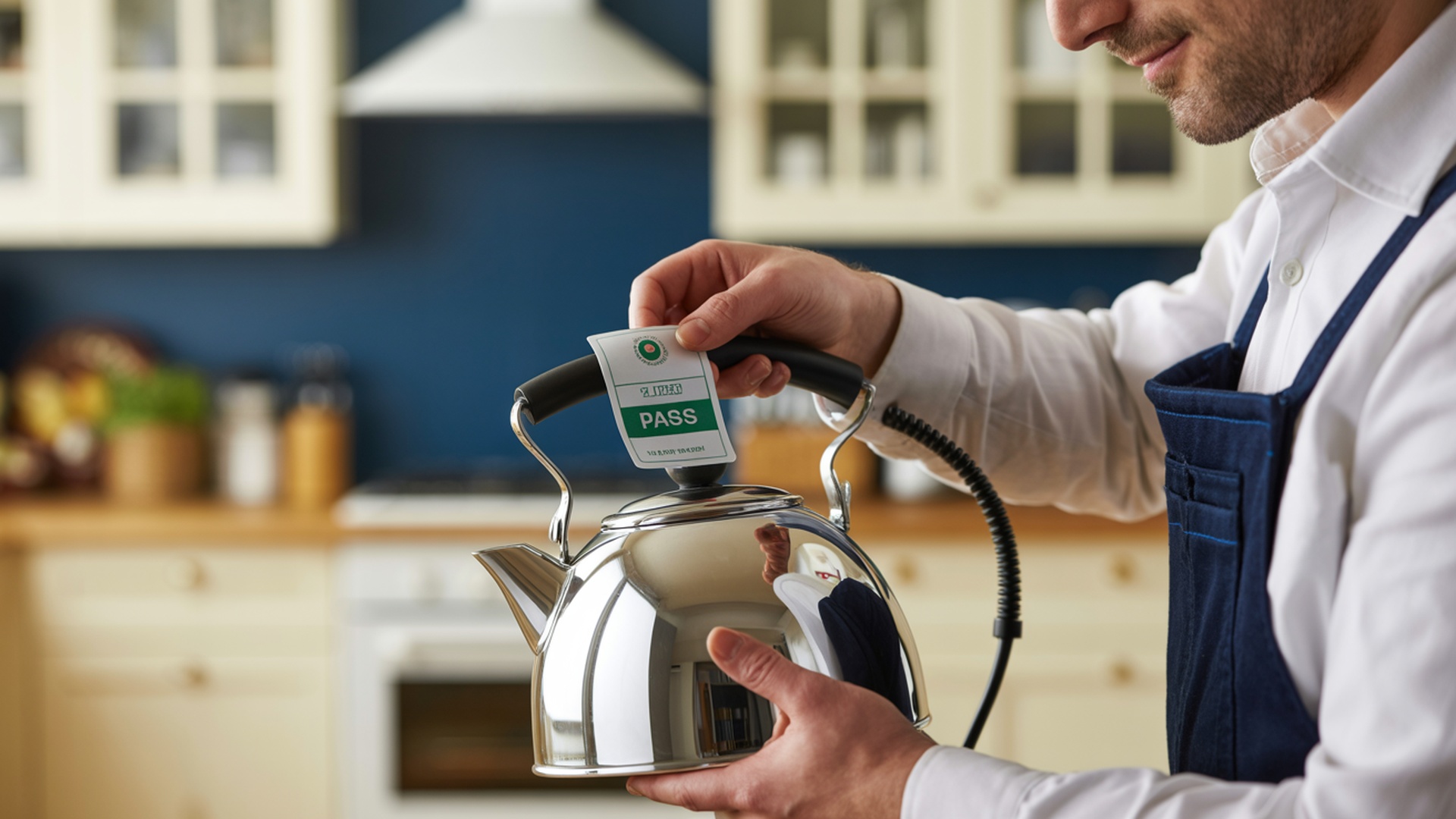
What Is PAT Testing?
PAT testing means Portable Appliance Testing. In plain terms, it is the process of checking electrical appliances for safety by combining a visual inspection with instrument-based electrical tests. The visual check catches everyday faults such as cracked plugs, damaged cables, loose wiring, bent pins, scorch marks, or signs of overheating. The electrical test confirms that insulation, earth continuity, polarity, and protective systems are working as they should. Together, those checks give you a clear, documented record that your equipment has been maintained responsibly.
It is easy to think of PAT testing as a box-ticking job, but that misses the point. Faulty appliances can cause electric shock, fires, and serious disruption to guests or staff. In holiday accommodation, one failed kettle or extension lead can create immediate safety concerns and poor reviews. In offices and shops, an avoidable electrical issue can stop business and expose you to legal risk. In schools, halls, and public spaces, it is simply part of looking after people properly.
At Cornwall Tech, our PAT process is structured but friendly. We arrive on time, work around your schedule, and keep communication straightforward. We test each appliance, apply labels, log results, and provide a full report. If we spot minor faults such as blown fuses or damaged plugs, we fix them on the spot at no extra charge wherever possible.
Who Needs PAT Testing?
Any person or organisation responsible for electrical appliances used by others should have a PAT testing plan. In Cornwall, we regularly support six main customer types:
1) Holiday-let owners and AirBnB hosts
Holiday properties are appliance-heavy: kettles, toasters, TVs, hairdryers, lamps, irons, extension leads, and more. Letting agents and insurers often ask for annual certificates, and it helps demonstrate a clear commitment to guest safety.
2) Landlords and property managers
Private rental properties and HMOs include appliances supplied by the landlord. PAT testing is widely used as evidence that equipment has been maintained and checked. Multi-property visits are available to keep compliance simple.
3) Offices and professional services
Small offices can have dozens of plug-in items across desks, kitchens, and meeting rooms. PAT testing supports workplace safety and helps meet insurer expectations.
4) Shops, salons, and retail units
Retail environments often rely on tills, card terminals, chargers, displays, fans, and treatment equipment. Regular testing helps avoid downtime and protects staff and customers.
5) Hospitality and food businesses
Cafés, restaurants, pubs, and guest houses use high-demand appliances daily. Frequent use means regular checks matter even more.
6) Schools, churches, and community venues
Public and voluntary spaces often contain mixed-age electrical equipment in high-use areas. PAT testing supports safe use by staff, children, and visitors.
Legal Requirements: What the Law Says
There is no law that states the exact words “you must do PAT testing every year” in every setting. However, the Electricity at Work Regulations 1989 require electrical systems and equipment used in work environments to be maintained to prevent danger. PAT testing is the accepted, practical way to prove that maintenance is being carried out.
For landlords and holiday-let owners, legal duties can intersect with insurance terms, agency rules, and local licensing conditions. Many letting agents will ask for current certificates as standard. Even where wording differs, the expectation is consistent: appliances must be safe and records should be available.
Our advice is simple: don’t wait for a problem. Maintain a sensible schedule, keep your reports, and re-test at an interval that matches your risk profile. We can recommend the right cadence once we’ve seen your property type and appliance use.
How Often Should PAT Testing Be Done?
Testing frequency depends on environment, user type, and equipment use. There is no single interval for every property, but practical guidance is clear:
- Holiday lets and short-term rentals: usually every 12 months
- Long-term rental properties: typically annual, especially where furnished
- Offices with lower-risk equipment: often every 24 months is acceptable
- Higher-use environments (kitchens, workshops, hospitality): annual or more frequent checks
- Newly purchased or repaired equipment: add to the schedule promptly
We don’t push unnecessary testing. We’ll give you an honest recommendation based on your actual setup and help you keep a manageable calendar so renewals are straightforward each year.
What You Get with Cornwall Tech
- Full visual inspection of each appliance, cable, and plug
- Electrical safety tests with calibrated professional equipment
- Pass/fail labels with test and retest dates
- Detailed report listing every appliance and result
- PAT test certificate issued same day
- Free minor repairs (e.g. plug top or fuse replacements)
- Clear, jargon-free explanation of any failures
- Flexible booking to suit changeovers and opening hours
You can receive your documents digitally as a PDF, with printed copies if needed. Reports are formatted for insurers, letting agents, and internal records. If you manage multiple sites, we can structure documentation by property for easier admin.
Prices
Our pricing is transparent and designed to be fair for both small and larger jobs. PAT testing is typically priced per appliance, with a modest call-out to cover travel and setup. Volume discounts apply where there are higher appliance counts or multi-property bookings in one run. We publish clear examples on our Pricing page and provide free tailored quotes before booking.
What matters most is value: a professionally documented PAT visit that reduces risk, meets letting-agent and insurer expectations, and saves you time. We do not add hidden extras for basic paperwork, and we include minor consumables where possible.
How a Typical PAT Visit Works
Many new customers ask what actually happens on the day. We keep the process simple and predictable so you can plan around guests, staff, or trading hours. First, we confirm the appliance scope and walk through the property with you if needed. Then we move room by room, visually checking plugs, cables, and casings before carrying out electrical tests. As we work, we label items clearly and keep records against each appliance entry.
If we identify faults, we explain them immediately in plain language. Minor issues such as simple fuse or plug-top replacements are normally handled there and then at no extra charge. For appliances that fail and require replacement, we mark them clearly as failed and advise on the safest next step. Once testing is complete, we finalise your report and issue certificate documents the same day, ready for insurer, agency, or internal compliance records.
Common Appliance Failures We See
Most failures are straightforward and preventable. The most common are damaged cable insulation, cracked plug tops, incorrect fuse ratings, loose cable restraints, and worn extension leads used in high-traffic locations. In holiday lets and offices, we also see overused multiway extensions hidden behind furniture, where strain over time creates avoidable risk.
We always recommend replacing poor-quality extension blocks with safer alternatives and reducing daisy-chaining where possible. Simple housekeeping steps such as avoiding tight cable bends, keeping appliances away from heat/moisture, and checking plugs between tenancies can significantly reduce annual failure rates.
Why Same-Day Certificates Matter
When you manage accommodation or business operations, paperwork delays can cause real headaches. You might need to submit compliance evidence before a listing goes live, before a tenant moves in, or before an insurance renewal date. Same-day documentation means you can tick off compliance tasks immediately rather than chasing paperwork days later.
Our reports are structured for clarity. Every tested item appears on the record with clear pass/fail status, and your certificate confirms completion date and location details. If you’re managing multiple properties, we can organise documentation in a way that is easy to file and retrieve during audits or agency checks.
Towns We Cover
We are based in Falmouth and cover a 20-mile radius across Cornwall. Location pages currently live for Truro and St Ives, with more being added.
Planning PAT Testing for Multiple Properties
If you manage several holiday lets or rentals, the best approach is to treat PAT testing as a coordinated portfolio task rather than one-off bookings. We can group nearby addresses into a single run, structure reports by property, and help you build a practical annual renewal calendar. This keeps paperwork tidy, reduces downtime between guests, and often improves overall value.
Owners with mixed-use portfolios (for example, a holiday let plus a long-term rental and a small office) also benefit from combined scheduling. We can align testing dates as closely as possible so compliance work is concentrated into one manageable window each year.
Frequently Asked Questions
Book Now
If you need dependable PAT testing in Cornwall, we are ready to help. Call 01326 000000 for a quick quote or send us your details online. We will confirm a practical slot, carry out testing on-site, and deliver your certificate the same day.
Ready to book? Call 01326 000000 or get a free quote
Holiday lets, landlords, offices, schools, and businesses covered across Cornwall.